Available 24/7 312-535-4625

-

- Home
- About Us
- Attorneys
- Practice Areas
- Nursing Home Abuse and Neglect
- Wrongful Death
- Bed Sores
- Sepsis
- Infection
- Falls
- Fractures
- Life-Threatening Injuries
- Wandering and Elopement
- Physical Abuse
- Choking
- Burns
- Sexual Abuse
- Malnutrition
- Dehydration
- Medication Errors
- Breathing Tube Injuries
- Unreasonable Restraint
- Lack of Medical Care
- Inadequate Staffing
- Elder Abuse
- Alzheimer’s and Dementia Patients
- Nursing Home Care Act
- Assisted Living Lawsuits
- Rehabilitation Facility Lawsuits
- Nursing Home Abuse and Neglect
- Our Victories
- Info Center
- Blog
- Contact
Breathing Tube Injuries Can Lead to Nursing Home Lawsuits
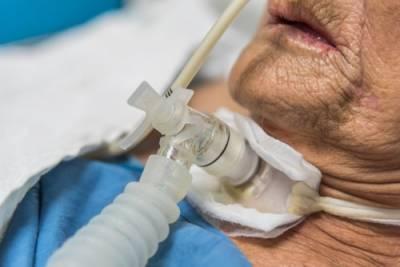 Breathing tubes are very serious medical apparatuses that are used when a patient can no longer breathe on his or her own. Unfortunately, in nursing homes and assisted living facilities, residents requiring breathing tubes are among the most vulnerable. If there is an error with the insertion of a breathing tube, a patient is injured while being intubated by a breathing tube, or the tube somehow becomes dislodged, the patient may suffer from severe brain damage from lack of oxygen or another life-threatening injury. In some cases, a breathing tube error may even result in a wrongful death from oxygen deprivation.
Breathing tube injuries in nursing homes may be caused by nursing home abuse and neglect. If you have a loved one who suffered from a breathing tube injury, consider consulting with an experienced Chicago, IL nursing home injury attorney who can protect your rights and explain your legal options. At Schwartz Injury Law, we have helped our clients recover millions in successful case results.
What Types of Breathing Tube Injuries Happen in Nursing Homes?
Deciding to send a beloved family member to a nursing home can be challenging and emotional. When you love this person, you may feel saddened about the state of their health. However, you also know that they can no longer care for themselves and thus require assistance. Therefore, you decide that a nursing home is the best solution for them to be adequately taken care of.
It is fair to assume that when you bring your loved one to a nursing home, you are expecting them to be diligently cared for by healthcare professionals. Learning that your family member was improperly cared for and suffered an injury or even death because of a breathing tube injury can leave you feeling angry and wanting answers. Sometimes, these injuries occur due to inadequate staffing or poorly trained staff. Several complications can arise when a breathing tube error occurs.
Infections
A breathing tube containing bacteria can lead to all sorts of respiratory infections, like pneumonia. Pneumonia in at-risk patients may result in death. Warning signs include fever, coughing, thick mucus, and trouble breathing. Quick testing and the right antibiotics can make a major difference.
Pneumothorax
This occurs when a breathing tube is improperly inserted and leaks air into the space between the chest and lungs. This can result in infections, pain, and shortness of breath. Doctors may need to place a chest tube to remove the trapped air and help the lung expand again.
Vocal Cord Damage
If a breathing tube is inserted too forcefully, it can damage the vocal cords. Vocal cord injuries can cause hoarseness, pain, or a weak voice that does not improve. Some people also cough or choke when drinking liquids. If symptoms last, a specialist may need to examine the throat and start treatment.
Lung Damage
If too much oxygen or pressure is pumped out of the tube, it can result in severe lung damage. Too much oxygen over time can also irritate and inflame the lungs. This may lead to bleeding, swelling, or long-term breathing problems. Care teams should adjust settings based on the patient’s needs.
Bed Sores
If a nursing home patient is forced to stay in one position for too long while oxygen is administered through their breathing tube, they may suffer from pressure sores or other skin problems. Sores can form quickly, especially on the tailbone, heels, and hips. Moisture from sweat or saliva can make skin break down faster. Staff should reposition the patient often and check skin daily. Early sores can sometimes heal with proper care.
What if a Nursing Home Claims There Were Pre-Existing Injuries?
Nursing homes sometimes argue that a resident already had breathing problems, a weak cough, or lung disease before the tube was used. That can be true, but it does not end the discussion. A facility still has a duty to use proper care, follow doctor orders, and watch for warning signs.
A key question is whether the injury got worse because of poor care. For example, a resident may already have COPD, but a dirty tube, missed suctioning, or delayed treatment can still lead to pneumonia. The same is true for sores, bleeding, or swelling around the airway. If chart notes change over time, that may also be relevant. Records should match what staff saw and did in real time.
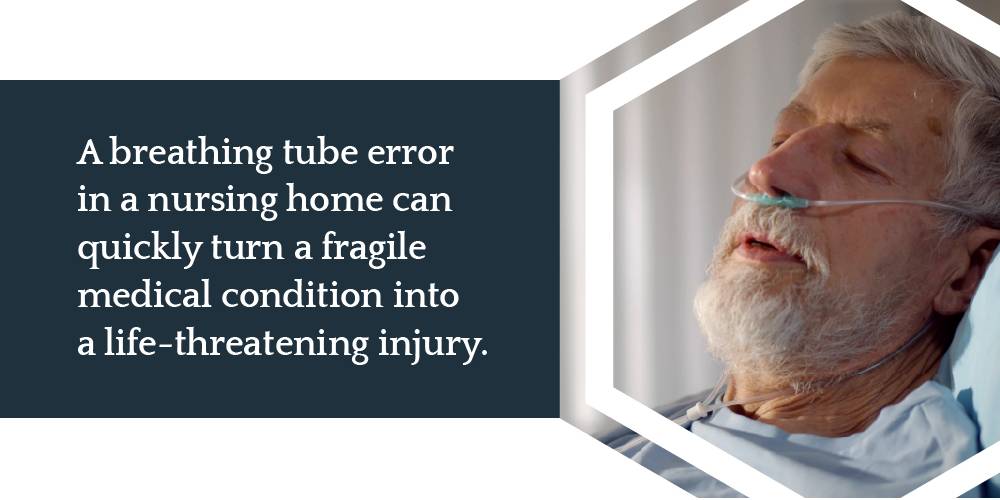
Strong evidence often comes from timelines. When did symptoms start, and how fast did they get worse? Did staff document tube checks, oxygen levels, and repositioning? Did anyone call a doctor right away, or did they wait until the resident crashed? Small gaps in care can turn a fragile condition into a life-threatening event.
Steps to Take to File a Breathing Tube Injury Claim in 2026
Start by getting medical help and making sure the resident is safe. If the resident is still in the facility, ask for a care meeting and request a new plan. Next, gather records. Ask for the nursing home chart, hospital records, medication lists, and any incident reports. Write down dates, names, and what you were told. If you took photos of bruising, sores, or equipment, save them in one place.
Then, speak with an Illinois nursing home injury lawyer who can review records, compare them to accepted standards of care, and identify where the facility failed. In many cases, the claim must also be filed within strict time limits under Illinois law, including rules that may apply to medical-related injuries (735 ILCS 5/13-212).
Finally, be careful about signing papers. Some facilities ask families to sign statements or releases right after an incident. It is safer to have legal counsel review anything before you agree to it.
Contact a Cook County, IL Breathing Tube Injury Lawyer
Breathing tubes and ventilators are essential medical devices that can make the difference between life and death. If your loved one has suffered from a breathing tube injury, contact the seasoned Chicago, IL nursing home injury attorneys with Schwartz Injury Law. Call 312-535-4625 today for a free consultation.
Contact Us
 The use of the Internet or this form for communication with the firm or any individual member of the firm does not establish an attorney-client relationship. Confidential or time-sensitive information should not be sent through this form.
I have read and understand the Disclaimer and Privacy Policy.
CHICAGO OFFICE
60 W. Randolph Street, Suite 300,
Chicago, IL 60601
312-535-4625
ORLAND PARK OFFICE
14496 John Humphrey Drive,
Orland Park, IL 60462
708-928-8685
ROCKFORD OFFICE
7210 East State Street, Suite 102A,
Rockford, IL 61108
815-315-0933
GLEN ELLYN OFFICE
519 N. Main Street, Unit 1BN,
Glen Ellyn, IL 60137
630-866-8843
ELMHURST OFFICE
360 West Butterfield Rd., Suite 300,
Elmhurst, IL 60126
630-884-5178
PEORIA OFFICE
456 Fulton Street, Suite 425,
Peoria, Illinois 61602
309-503-1126


Contact Our Firm
The use of the Internet or this form for communication with the firm or any individual member of the firm does not establish an attorney-client relationship. Confidential or time-sensitive information should not be sent through this form.
I have read and understand the Disclaimer and Privacy Policy.