Available 24/7 312-535-4625

-

- Home
- About Us
- Attorneys
- Practice Areas
- Nursing Home Abuse and Neglect
- Wrongful Death
- Bed Sores
- Sepsis
- Infection
- Falls
- Fractures
- Life-Threatening Injuries
- Wandering and Elopement
- Physical Abuse
- Choking
- Burns
- Sexual Abuse
- Malnutrition
- Dehydration
- Medication Errors
- Breathing Tube Injuries
- Unreasonable Restraint
- Lack of Medical Care
- Inadequate Staffing
- Elder Abuse
- Alzheimer’s and Dementia Patients
- Nursing Home Care Act
- Assisted Living Lawsuits
- Rehabilitation Facility Lawsuits
- Nursing Home Abuse and Neglect
- Our Victories
- Info Center
- Blog
- Contact
Is it the Nursing Home’s Fault if a Resident Falls and Suffers a Brain Injury?
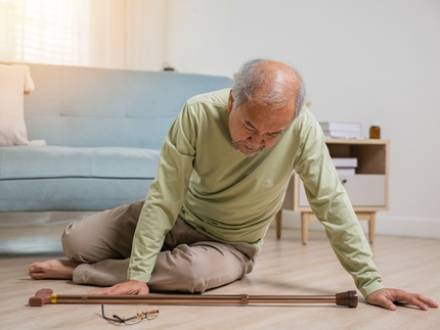 Nursing home residents are at greater risk of suffering catastrophic injuries in a fall. In more severe cases, these falls can lead to head injuries and, subsequently, brain damage. Sometimes, these accidents are unavoidable despite all safety precautions being taken. However, if you believe negligence was a factor in your loved one’s fall, you can take legal action against the nursing home to recover compensation.
At Schwartz Injury Law, our Will County, IL nursing home injury lawyers have experience investigating falls caused by negligent nursing home staff. We have recovered over $70 million in compensation for our clients just in the last five years, so you can trust that your case will be handled by a seasoned team.
Common Causes of Nursing Home Falls in 2026
Falls remain a serious risk in Illinois nursing homes. A fall that may only bruise a younger person can cause a brain injury, broken hip, or fatal decline in an elderly resident.
Many falls happen as a result of basic mistakes. A resident may be left alone after pressing a call button. Staff may fail to help someone to the bathroom. A wet floor, loose rug, poor lighting, or cluttered hallway can create serious hazards. Some residents fall after taking medication that causes dizziness. Others fall because the facility did not update a care plan after a prior fall.
Understaffing can make these problems worse. If aides are rushed, they may skip safety checks or fail to use gait belts, bed alarms, or proper lift equipment. A nursing home should know which residents are at high risk.
What Are the Symptoms of Brain Injuries in Nursing Home Residents?
A brain injury is not always obvious right away. Some residents cannot explain what happened, or they may already have dementia, speech issues, or hearing loss. This makes symptoms easier to miss or blame on age.
Families should watch for changes after a fall. Warning signs may include headache, vomiting, dizziness, confusion, sleepiness, slurred speech, weakness, mood changes, balance trouble, or vision problems. A resident may seem withdrawn. He or she may stop eating, refuse care, or become suddenly agitated.
Bruising around the head, face, or neck should also raise concern. So should any report that a resident hit his or her head, even if staff say the person "seems fine."
Is It Possible for an Elderly Person To Recover From a Traumatic Brain Injury?
Recovery is possible, but it may hinge on different factors. The resident’s age, health, type of injury, and speed of treatment can all influence recovery. A mild concussion may improve with rest and monitoring. On the other hand, a serious traumatic brain injury may cause lasting problems with memory, speech, walking, mood, or self-care.
Older adults often face a harder recovery. They may take blood thinners. Their brains may be more fragile. They may also have health problems that slow healing. A fall can lead to a hospital stay, rehab, infection, fear of walking, or loss of independence.
Still, families should not assume decline is normal. A resident deserves real medical review, therapy when appropriate, and careful follow-up. When a nursing home caused or worsened the injury, a legal claim may help pay for care.
When Is a Nursing Home Liable for a Brain Injury in Illinois?
A nursing home may be liable when its failure to provide safe care leads to a resident’s brain injury. This can include poor supervision, ignored fall risks, unsafe floors, missing alarms, medication mistakes, or failure to get medical help after a fall.
Illinois law defines neglect, in part, as a facility’s failure to provide the medical care, personal care, or daily assistance a resident needs to prevent harm (210 ILCS 45/1-117). In a fall case, that may mean the home knew a resident needed help walking but left the resident alone. It may mean staff knew a resident had fallen before, but did not change the care plan.
Not every fall points to negligence on the part of the nursing home. Some falls can happen even with proper care. The key question is whether the nursing home acted reasonably based on what it knew.
What Evidence Can You Use To Support a Nursing Home Fall Claim in Will County?
In Will County nursing home cases, proof often comes from records, witness accounts, photos, and the facility’s own policies. The goal is to show what the home knew before the fall and what staff failed to do.
Helpful evidence may include:
- Fall risk assessments and care plans
- Nurse notes, incident reports, and hospital records
- Medication records, especially for drugs that cause dizziness
- Call light logs, staffing records, and shift schedules
- Photos of bruises, unsafe floors, broken equipment, or clutter
- Statements from residents, visitors, aides, or roommates
- Prior fall reports or complaints involving the same resident
- Bills, rehab records, and notes about long-term limits
Families should try to preserve evidence quickly. Our lawyers can send preservation letters, request records, review the timeline, and compare the home’s claims with the evidence.
Estimating the Value of a TBI Claim in Illinois
A nursing home injury claim can compensate the resident and his or her family for various losses.
Financial losses may include hospital bills, ambulance charges, therapy, follow-up care, added nursing needs, and future medical treatment.
Non-financial losses may include pain, emotional distress, confusion, loss of independence, and a reduced ability to enjoy family time. If the resident dies from the injury, the family may have a wrongful death claim, which may account for funeral damages and loss of companionship, along with other damages.
Insurance coverage, facility ownership, past safety violations, and the strength of the evidence can also affect settlement value. Our firm can help fight for the full value of your claim, whether through out-of-court negotiations or a full trial.
Contact Our DuPage County, IL Nursing Home Injury Lawyers Today
A nursing home fall can change an elderly person’s life in one moment. When that fall causes a brain injury, families deserve answers. At Schwartz Injury Law, we help families investigate neglect, review records, and pursue claims against nursing homes that failed to protect vulnerable residents. Call 312-535-4625 or contact our Will County, IL nursing home brain injury attorneys to discuss your options in a free consultation. You will talk to a real lawyer, not an intake service.
Contact Us
 The use of the Internet or this form for communication with the firm or any individual member of the firm does not establish an attorney-client relationship. Confidential or time-sensitive information should not be sent through this form.
I have read and understand the Disclaimer and Privacy Policy.
CHICAGO OFFICE
60 W. Randolph Street, Suite 300,
Chicago, IL 60601
312-535-4625
ORLAND PARK OFFICE
14496 John Humphrey Drive,
Orland Park, IL 60462
708-928-8685
ROCKFORD OFFICE
7210 East State Street, Suite 102A,
Rockford, IL 61108
815-315-0933
GLEN ELLYN OFFICE
519 N. Main Street, Unit 1BN,
Glen Ellyn, IL 60137
630-866-8843
ELMHURST OFFICE
360 West Butterfield Rd., Suite 300,
Elmhurst, IL 60126
630-884-5178
PEORIA OFFICE
456 Fulton Street, Suite 425,
Peoria, Illinois 61602
309-503-1126


Contact Our Firm
The use of the Internet or this form for communication with the firm or any individual member of the firm does not establish an attorney-client relationship. Confidential or time-sensitive information should not be sent through this form.
I have read and understand the Disclaimer and Privacy Policy.