Available 24/7 312-535-4625

-

- Home
- About Us
- Attorneys
- Practice Areas
- Nursing Home Abuse and Neglect
- Wrongful Death
- Bed Sores
- Sepsis
- Infection
- Falls
- Fractures
- Life-Threatening Injuries
- Wandering and Elopement
- Physical Abuse
- Choking
- Burns
- Sexual Abuse
- Malnutrition
- Dehydration
- Medication Errors
- Breathing Tube Injuries
- Unreasonable Restraint
- Lack of Medical Care
- Inadequate Staffing
- Elder Abuse
- Alzheimer’s and Dementia Patients
- Nursing Home Care Act
- Assisted Living Lawsuits
- Rehabilitation Facility Lawsuits
- Nursing Home Abuse and Neglect
- Our Victories
- Info Center
- Blog
- Contact
Disabled Adults Can Drown if Left Unsupervised in Nursing Homes
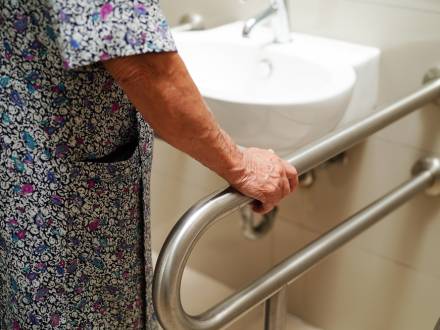
Nursing home staff are supposed to keep close watch over their residents. Even a short lapse in attention can lead to serious injuries or death. A resident may drown inside or outside of a nursing home if they are left without the supervision they need. In some cases, the nursing home may be responsible. If you have questions about a nursing home death that may have been preventable, reach out to a Chicago, IL nursing home neglect attorney.
At Schwartz Injury Law, we take wrongful death cases seriously. If your loved one died in a preventable drowning while in the care of a nursing home, we can help you seek full compensation for your losses. When you work with us, you will speak with a real attorney, not an intake service, so you can get a professional opinion early on.
Are Nursing Homes Liable When a Resident Drowns in a Bathtub?
A bathtub should be a safe place for a nursing home resident. Sadly, drownings in nursing home bathtubs happen more often than most families realize. A resident can be seriously harmed if they are left unsupervised while bathing. When a facility fails to provide the level of supervision a resident needs, the results can be tragic.
Nursing homes owe a duty of care to every resident under their supervision. Staff members must assess each resident's needs, including whether the resident can bathe safely alone or needs help. A resident with dementia, mobility problems, or a history of falls may need close supervision during bathing. If staff leave a vulnerable resident unattended in a tub, even for a short time, drowning can occur quickly and quietly.
When a facility ignores known risks or fails to follow its own care plan, it may be held liable for a resident's drowning death. Understaffing, poor training, and rushed schedules often play a role in these tragedies. Families who lose a loved one this way deserve answers, and Illinois law gives them a path to pursue accountability.
How Can Elopement Lead to Drowning Deaths?
Elopement happens when a nursing home resident leaves the facility, or a supervised area, without staff knowledge. Residents with dementia or other cognitive impairments are at greater risk of wandering. An elopement incident can turn dangerous fast, particularly if the resident wanders near water.
Some facilities sit close to ponds, retention areas, decorative fountains, or pools. A resident who wanders outside unsupervised could fall into water and drown before anyone notices they are missing. Indoors, an unsupervised resident might also wander into a bathroom and attempt to bathe alone. This can lead to the same drowning risk mentioned earlier.
Nursing homes must keep residents safe and watch for risks like wandering. Depending on the resident, this may include door alarms, locked or secured exits, regular checks, and staff training. When a facility fails to use these safeguards, and a resident wanders off and drowns, the facility may bear responsibility for that death.
What Is a Wrongful Death Claim?
A wrongful death claim can help certain family members seek compensation after a loved one dies because of another party's negligence. In a nursing home drowning case, the claim may involve a facility or staff member who failed to provide proper care or supervision. Illinois law has rules about who can file the claim and what compensation may be available.
The claim is usually filed by the personal representative of the deceased, meaning the person in charge of handling their estate. The compensation is for the benefit of the surviving spouse and next of kin. A separate claim, called a survival action, may cover losses the resident could have claimed if they had survived. Together, wrongful death and survival claims may include compensation for:
- Recovery for the resident's pain and suffering before death
- Compensation for funeral and burial expenses
- Compensation for the loss of companionship suffered by surviving family members
- Recovery for medical expenses tied to the fatal incident
These claims are separate from any criminal case that might arise from the same incident. A wrongful death claim focuses on holding the facility financially accountable and helping the family recover losses tied to their loved one's death (740 ILCS 180/2).
How Can You Prove That Poor Supervision Was a Factor in a Nursing Home Resident’s Death?
Poor supervision is often at the center of nursing home drowning cases. Proving this requires a close look at the facility's records and daily practices. Staffing logs can show whether the facility had enough workers on duty at the time of the drowning. Care plans can reveal whether staff knew the resident needed extra supervision during bathing or was at risk of wandering.
Witness statements from other residents, visitors, or staff members can also help establish what happened. Surveillance footage, when available, can show how long a resident was left alone and whether anyone checked on them. Incident reports filed by the facility itself sometimes contain information about missed checks, staffing levels, or what happened before the incident.
A nursing home attorney can request these records through the discovery process if the facility does not provide them voluntarily. Facilities are required to keep certain records under state law. Questions about missing or altered documentation can also be key when investigating what happened.
Can You Sue for a Nursing Home Death Caused by Hypothermia?
Drowning is not the only danger tied to water exposure in a nursing home setting. Even when a resident does not drown, prolonged exposure to cold water or wet conditions can lead to hypothermia. Elderly residents can be especially vulnerable to dangerous drops in body temperature.
A resident left in a cold bath, or left in wet clothing or bedding for too long, can develop hypothermia without anyone noticing right away. Confusion, fatigue, and drowsiness can be warning signs of hypothermia and may be mistaken for symptoms of dementia. As hypothermia becomes more serious, a person's breathing and pulse may slow. Left untreated, hypothermia can become fatal.
If a facility's neglect causes a resident to suffer fatal hypothermia after exposure to water, surviving family members may have grounds for a wrongful death claim. The legal standard is similar to drowning cases. Families must show the facility owed a duty of care, breached that duty, and caused the resident's death as a result.
What Is the Filing Deadline for an Illinois Wrongful Death Claim in 2026?
Illinois law sets strict deadlines for filing a wrongful death claim. In most cases, a claim must be filed within two years of the date of death. Missing this deadline usually means losing the right to pursue compensation, no matter how strong the case may be.
Some circumstances can affect this timeline, such as when the cause of death was not immediately known or when the claim involves a government-run facility. These situations can shorten or otherwise alter the standard filing window. Because the correct deadline can depend on the facts and parties involved, families should speak with an experienced nursing home attorney as soon as reasonably possible.
Contact a Chicago, IL Nursing Home Drowning Death Attorney
Losing a loved one in a preventable nursing home incident can be devastating. At Schwartz Injury Law, we are here to help you seek justice and accountability from the parties responsible. Contact our Cook County, IL nursing home neglect lawyers or call 312-535-4625 to schedule a free consultation.
Contact Us
 The use of the Internet or this form for communication with the firm or any individual member of the firm does not establish an attorney-client relationship. Confidential or time-sensitive information should not be sent through this form.
I have read and understand the Disclaimer and Privacy Policy.
CHICAGO OFFICE
60 W. Randolph Street, Suite 300,
Chicago, IL 60601
312-535-4625
ORLAND PARK OFFICE
14496 John Humphrey Drive,
Orland Park, IL 60462
708-928-8685
ROCKFORD OFFICE
7210 East State Street, Suite 102A,
Rockford, IL 61108
815-315-0933
GLEN ELLYN OFFICE
519 N. Main Street, Unit 1BN,
Glen Ellyn, IL 60137
630-866-8843
ELMHURST OFFICE
360 West Butterfield Rd., Suite 300,
Elmhurst, IL 60126
630-884-5178
PEORIA OFFICE
456 Fulton Street, Suite 425,
Peoria, Illinois 61602
309-503-1126


Contact Our Firm
The use of the Internet or this form for communication with the firm or any individual member of the firm does not establish an attorney-client relationship. Confidential or time-sensitive information should not be sent through this form.
I have read and understand the Disclaimer and Privacy Policy.