Available 24/7 312-535-4625

-

- Home
- About Us
- Attorneys
- Practice Areas
- Nursing Home Abuse and Neglect
- Wrongful Death
- Bed Sores
- Sepsis
- Infection
- Falls
- Fractures
- Life-Threatening Injuries
- Wandering and Elopement
- Physical Abuse
- Choking
- Burns
- Sexual Abuse
- Malnutrition
- Dehydration
- Medication Errors
- Breathing Tube Injuries
- Unreasonable Restraint
- Lack of Medical Care
- Inadequate Staffing
- Elder Abuse
- Alzheimer’s and Dementia Patients
- Nursing Home Care Act
- Assisted Living Lawsuits
- Rehabilitation Facility Lawsuits
- Nursing Home Abuse and Neglect
- Our Victories
- Info Center
- Blog
- Contact
Elderly Adults Who Break Their Hips in a Nursing Home Often Die Within a Year
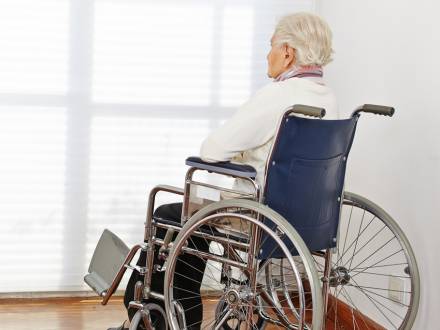
For many people, a fracture can often heal with proper treatment. However, when an elderly person breaks a hip, it could lead to much more serious health problems. Studies have reported that between 14 and 58 percent of older adults die within a year after a hip fracture. This can be especially difficult for families when a fall may have been prevented with proper care. If your loved one died after sustaining a fracture in a care facility, consider reaching out to a Winnebago County, IL nursing home neglect lawyer.
At Schwartz Injury Law, we have a long history of investigating negligence in nursing homes and helping families pursue accountability for damages. Whether the fracture caused serious injuries or led to death, we can look into what happened and help your family understand its legal options.
Why Are Hip Fractures So Deadly for Older Adults?
Many older adults already have weaker bones, slower healing, and other health problems. A hip fracture adds a heavy strain on the body. Surgery, long hospital stays, and time spent unable to move can all take a toll. Complications after a hip fracture can include blood clots, infections, and pneumonia. Muscle loss can also happen quickly when a person cannot walk or move around.
Studies have shown that many older adults do not fully recover after a hip fracture. Some lose the ability to walk without help. Others lose their independence altogether and need full-time care. Sadly, a large number of older adults die within a year of breaking a hip. Studies have found that nursing home residents face a higher risk of death after a hip fracture than older adults living in the community.
Doctors and researchers often describe the first year after a hip fracture as the most dangerous. During this time, an older adult's body is working hard to heal while also fighting off other risks tied to being less active. A resident who was active before the fall may have trouble walking, getting out of bed, or taking part in everyday activities afterward. That kind of decline can affect both physical health and emotional well-being.
How Do Hip Fractures Happen in Nursing Homes?
Hip fractures in nursing homes often happen because of falls. Falls can happen for many reasons. In some cases, poor care or supervision can play a role. Some common causes of falls and hip fractures in nursing homes include:
- Not enough staff to help residents move safely
- Failure to respond to call lights in time
- Slick or cluttered floors
- Broken or missing safety equipment, such as bed rails or grab bars
- Poor lighting in hallways or bathrooms
- Improper use of wheelchairs or transfer equipment
- Failure to follow a resident's fall risk care plan
- Medication errors or failure to watch for side effects such as dizziness
Nursing homes must look for fall risks and take steps to keep residents safe. Staff should follow each resident's care plan and provide the help that person needs. When they fail to do so, a preventable fall can lead to a serious hip fracture.
Can You Hold a Nursing Home Liable for Failing to Follow Up After a Broken Hip?
A hip fracture is a medical emergency. Nursing home staff should get medical help quickly after a resident suffers a serious fall or shows signs of a broken hip. Staff should also follow the doctor's treatment plan, manage pain, watch for complications, and help the resident receive therapy or rehabilitation when needed.
A nursing home may be held liable if staff fail to notice signs of a fracture, delay medical care, ignore a resident's pain or complaints, skip follow-up appointments, or fail to help with rehabilitation. When a nursing home fails to follow up after a hip fracture, small problems can turn into life-threatening complications. A family who believes a facility failed to provide proper follow-up care may have grounds for a legal claim.
How Can You File a Wrongful Death Claim Against a Nursing Home in 2026?
When a hip fracture leads to a resident's death and negligence played a role, a wrongful death claim may be possible. In Illinois, the claim is usually filed by the deceased person's personal representative, meaning the person handling the estate. The claim is for the benefit of the surviving spouse and next of kin (740 ILCS 180/1).
Depending on the case, compensation may include the loss of companionship and the grief and sorrow experienced by surviving family members. Other related claims may also address medical, funeral, or burial expenses.
In most Illinois cases, a wrongful death claim must be filed within two years of the person's death. Other rules or exceptions can affect the deadline, so families should speak with an attorney as soon as reasonably possible. A nursing home injury attorney can also help gather records early, before evidence is lost or destroyed.
How Do You Prove That a Nursing Home Played a Role in a Hip Fracture?
Proving a nursing home's role in a hip fracture takes careful investigation. Medical records can show the timeline of the injury, the treatment provided, and any delays in care. Staffing records can show how many workers were on duty at the time of the fall. Incident reports and internal facility documents can point to prior falls, safety complaints, or repeated problems that went unaddressed.
Witness statements from other residents, family members, or staff can also help establish what happened. In some cases, a facility's own care plans and policies can show what should have been done to prevent the fall. When those steps were skipped or ignored, that gap can support a claim of negligence.
An attorney can also work with medical experts who understand fall risks, fracture treatment, and elder care standards. These experts can help explain how the nursing home's actions, or lack of action, contributed to the injury or death.
Contact Our St. Clair County, IL Nursing Home Fracture Attorneys
Losing a loved one to a preventable hip fracture is devastating, and finding answers can feel overwhelming during such a painful time. At Schwartz Injury Law, we help families understand what happened to their loved one and pursue accountability for nursing home neglect. Contact our Winnebago County, IL nursing home neglect lawyers or call 312-535-4625 to set up a free consultation.
Contact Us
 The use of the Internet or this form for communication with the firm or any individual member of the firm does not establish an attorney-client relationship. Confidential or time-sensitive information should not be sent through this form.
I have read and understand the Disclaimer and Privacy Policy.
CHICAGO OFFICE
60 W. Randolph Street, Suite 300,
Chicago, IL 60601
312-535-4625
ORLAND PARK OFFICE
14496 John Humphrey Drive,
Orland Park, IL 60462
708-928-8685
ROCKFORD OFFICE
7210 East State Street, Suite 102A,
Rockford, IL 61108
815-315-0933
GLEN ELLYN OFFICE
519 N. Main Street, Unit 1BN,
Glen Ellyn, IL 60137
630-866-8843
ELMHURST OFFICE
360 West Butterfield Rd., Suite 300,
Elmhurst, IL 60126
630-884-5178
PEORIA OFFICE
456 Fulton Street, Suite 425,
Peoria, Illinois 61602
309-503-1126


Contact Our Firm
The use of the Internet or this form for communication with the firm or any individual member of the firm does not establish an attorney-client relationship. Confidential or time-sensitive information should not be sent through this form.
I have read and understand the Disclaimer and Privacy Policy.