Available 24/7 312-535-4625

-

- Home
- About Us
- Attorneys
- Practice Areas
- Nursing Home Abuse and Neglect
- Wrongful Death
- Bed Sores
- Sepsis
- Infection
- Falls
- Fractures
- Life-Threatening Injuries
- Wandering and Elopement
- Physical Abuse
- Choking
- Burns
- Sexual Abuse
- Malnutrition
- Dehydration
- Medication Errors
- Breathing Tube Injuries
- Unreasonable Restraint
- Lack of Medical Care
- Inadequate Staffing
- Elder Abuse
- Alzheimer’s and Dementia Patients
- Nursing Home Care Act
- Assisted Living Lawsuits
- Rehabilitation Facility Lawsuits
- Nursing Home Abuse and Neglect
- Our Victories
- Info Center
- Blog
- Contact
How Much Should Elderly Nursing Home Patients Eat?
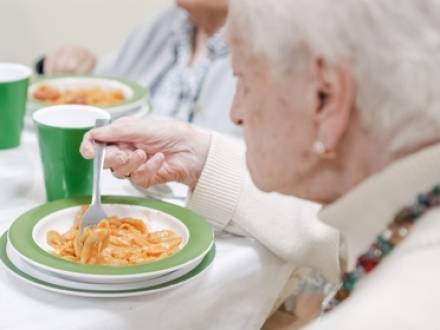 Noticing that your parent has lost weight or is not eating much can be seriously concerning. Is this a normal part of aging? Are they getting the food they need? If your parent is in the care of an Illinois nursing home, these questions are even more urgent because you can’t monitor their food intake yourself.
Malnutrition in nursing homes is a serious problem even in 2026. The Commonwealth Fund, a healthcare-focused nonprofit organization, claims that at least a third of American nursing home residents may be suffering from malnutrition.
Malnutrition can lead to severe health complications and even death. When nursing home staff do not make sure residents get proper nutrition, it can be a reason for a lawsuit. If you suspect your parent is suffering from malnutrition, contact our DuPage County nursing home injury attorneys today.
What Are Normal Nutritional Needs for Elderly Adults?
Elderly adults in nursing homes have unique nutritional needs. They may not need as many calories as someone who is younger and more active, but they still need substantial nutrition to stay healthy.
General Nutritional Guidelines for Elderly Adults
Most elderly nursing home residents need between 1,600 and 2,400 calories per day, depending on their size, activity level, and health conditions. Men typically need more calories than women. More active residents need more than those who are bedridden or sedentary. Protein is particularly important for elderly adults. They need protein to keep their muscle mass, heal wounds, and support their immune system.
Some residents need special diets because of health conditions or trouble swallowing certain foods. Others need nutritional supplements, fortified foods, or modified textures. Special nutritional needs require constant, careful supervision from nursing home employees.
What Is the Difference Between Normal Aging and Malnutrition?
Many family members can’t tell the difference between age-related eating changes and dangerous malnutrition. Understanding the difference is crucial for protecting your loved one.
Normal Age-Related Changes in Older Adults
As people age, certain changes in appetite and eating are normal. Taste and smell often diminish with age, which can make food less appealing. Problems with teeth or tongue strength can make chewing difficult. Some medications also reduce appetite or cause nausea. All of this is normal. Elderly adults may eat smaller portions at meals but still maintain adequate overall nutrition.
Normal aging might mean your parent eats less at each meal but maintains a stable weight, stays alert and engaged, and shows no signs of physical decline related to nutrition.
Warning Signs of Malnutrition in Nursing Home Residents
Malnutrition goes far beyond just eating less. It happens when someone gets so little nutrition that it causes physical harm and health deterioration. Watch for these warning signs during nursing home visits:
-
Significant weight loss over weeks or months
-
Clothes, dentures, or jewelry that fit loosely when they used to fit well
-
Sunken eyes or hollow cheeks
-
Dry, fragile, or discolored skin
-
Poor wound healing
-
Pressure ulcers
-
Thinning hair or hair loss
-
Confusion, lethargy, or decreased alertness
-
Weakness, difficulty standing, or frequent falls
-
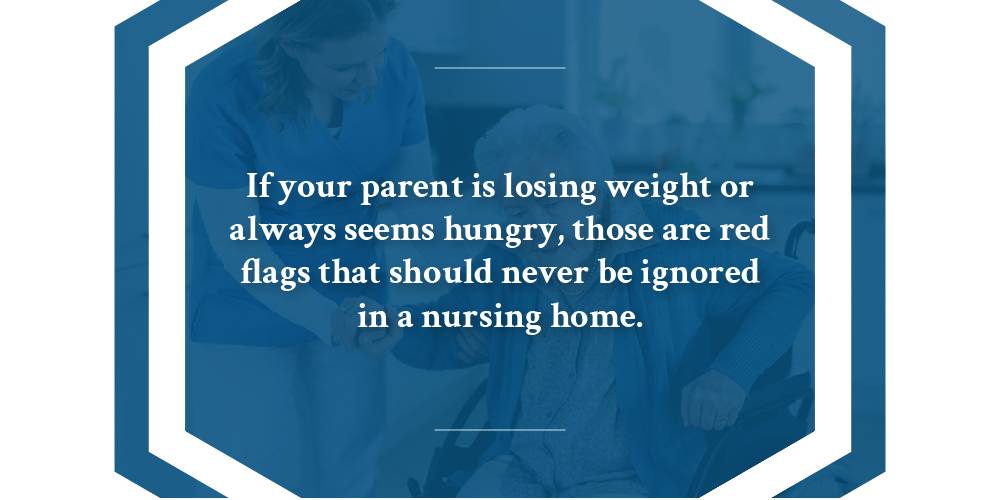
Complaining about constant hunger or thirst
-
Visible bones that were not previously prominent
If you notice any of these warning signs, your loved one may be suffering from malnutrition due to nursing home neglect.
What Causes Malnutrition in Nursing Homes?
Malnutrition in nursing homes typically results from the facilities doing something wrong, rather than inevitable aging. The Illinois Nursing Home Care Act (210 ILCS 45) guarantees residents protection against abuse and neglect, but it isn’t a failsafe.
These are some of the most common causes of malnutrition in Illinois nursing homes.
Understaffing
Understaffing is the most common cause of malnutrition in nursing homes. When facilities do not hire enough nurses and aides, staff don’t have enough time to help all their residents eat. Meals are rushed. Residents who need help eating may be left with meals they can’t handle on their own.
Many nursing home residents cannot feed themselves. Whether because of dementia, stroke, Parkinson's disease, arthritis, or other conditions, these residents need help eating and rely on staff to help them.
Other residents take a very long time to eat. They may need food cut into small pieces or help holding their fork. Some need encouragement or direct feeding. Understaffed facilities simply do not have personnel available to provide this level of care.
Some nursing homes leave meal trays in front of residents who cannot feed themselves. After a certain amount of time, they remove the uneaten food. Then they say that the resident "refused" to eat. This is neglect, not a resident choice.
Not Enough Monitoring
Nursing homes must regularly check on every resident’s nutrition. This means tracking food and fluid and monitoring weight. When facilities don't keep close track of their residents' diets, or when they ignore concerning findings, malnutrition is much more likely.
Poor Quality Food
Nursing homes that serve low-quality, unappetizing, or cold food contribute to malnutrition. Unsurprisingly, residents who are served bad food will not eat enough. Nursing homes must provide nutritious, well-prepared food that residents want to eat.
Failure to Address Special Needs
Residents with dementia may forget to eat or not recognize food. Those with swallowing difficulties may refuse regular food, but could eat safely with other textures. Residents with depression may lose interest in eating.
Whatever the case, nursing homes must see these issues and work to fix them. This might mean:
-
Hand-feeding dementia patients
-
Giving pureed diets for residents with dysphagia
-
Treating depression with mental health services
Dehydration
Dehydration often goes hand-in-hand with malnutrition. Residents who do not get enough fluids throughout the day can become dehydrated. In turn, this can cause confusion, urinary tract infections, and other serious health problems.
Contact a DuPage County, IL Nursing Home Neglect Attorney
If you believe your parent or loved one is malnourished due to nursing home neglect, contact Schwartz Injury Law today. Our experienced Addison nursing home injury lawyers offer free consultations and will speak with you directly about your case. Call 312-535-4625 to discuss your concerns and learn how we can help hold the nursing home accountable for the harm your loved one has suffered.
Contact Us
 The use of the Internet or this form for communication with the firm or any individual member of the firm does not establish an attorney-client relationship. Confidential or time-sensitive information should not be sent through this form.
I have read and understand the Disclaimer and Privacy Policy.
CHICAGO OFFICE
60 W. Randolph Street, Suite 300,
Chicago, IL 60601
312-535-4625
ORLAND PARK OFFICE
14496 John Humphrey Drive,
Orland Park, IL 60462
708-928-8685
ROCKFORD OFFICE
7210 East State Street, Suite 102A,
Rockford, IL 61108
815-315-0933
GLEN ELLYN OFFICE
519 N. Main Street, Unit 1BN,
Glen Ellyn, IL 60137
630-866-8843
ELMHURST OFFICE
360 West Butterfield Rd., Suite 300,
Elmhurst, IL 60126
630-884-5178
PEORIA OFFICE
456 Fulton Street, Suite 425,
Peoria, Illinois 61602
309-503-1126


Contact Our Firm
The use of the Internet or this form for communication with the firm or any individual member of the firm does not establish an attorney-client relationship. Confidential or time-sensitive information should not be sent through this form.
I have read and understand the Disclaimer and Privacy Policy.