Available 24/7 312-535-4625

-

- Home
- About Us
- Attorneys
- Practice Areas
- Nursing Home Abuse and Neglect
- Wrongful Death
- Bed Sores
- Sepsis
- Infection
- Falls
- Fractures
- Life-Threatening Injuries
- Wandering and Elopement
- Physical Abuse
- Choking
- Burns
- Sexual Abuse
- Malnutrition
- Dehydration
- Medication Errors
- Breathing Tube Injuries
- Unreasonable Restraint
- Lack of Medical Care
- Inadequate Staffing
- Elder Abuse
- Alzheimer’s and Dementia Patients
- Nursing Home Care Act
- Assisted Living Lawsuits
- Rehabilitation Facility Lawsuits
- Nursing Home Abuse and Neglect
- Our Victories
- Info Center
- Blog
- Contact
Illinois Nursing Home Faces Massive Fine for Fatal Medication Error
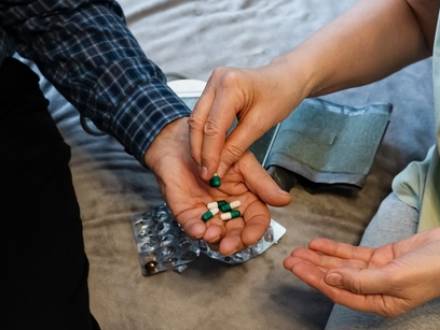 A nursing home in Canton, IL was fined $25,000 by the Illinois Department of Public Health for the death of a resident that occurred in June 2025. The resident died of stroke-related complications after the nursing home took the resident off blood thinners – a change that was not approved by the resident’s primary physician.
Medication errors like these can happen as a result of simple negligence, but the consequences can be disastrous. If you suspect that your elderly loved one is suffering due to a medication error in a nursing home, contact our Chicago, IL nursing home neglect attorneys at Schwartz Injury Law. We have a history of successful case results in nursing home negligence cases, including one notable $500,000 settlement involving a fatal medication error.
How Do Medication Errors Happen in Nursing Homes?
Medication errors in nursing homes happen when staff give a resident the wrong drug, the wrong amount, or a dose at the wrong time. Many residents take several medications each day, and a mistake at any step can hurt someone who is already frail. Common medication mistakes in nursing homes include:
-
Giving one resident’s pills to another resident with a similar name or room number
-
Skipping doses of blood thinners, insulin, seizure drugs, or heart medications
-
Giving a double dose after a shift change when no one checked the chart
-
Crushing pills that are meant to release slowly, which can send the full dose into the body at once
-
Missing a dangerous mix of drugs that should never be taken together
-
Using sedatives to keep a resident quiet instead of treating a real medical need
Many of these errors trace back to understaffing. A nurse who must hand out medications to dozens of residents in a short window may feel compelled to rush. Poor training and minimal oversight increase the risk even more. Older bodies also process drugs more slowly. A minor miscalculation can lead to a fall, a stroke, internal bleeding, or a hospital stay.
Should You Report Nursing Home Medication Errors to the Illinois Department of Public Health?
Reporting a nursing home medication error to the Illinois Department of Public Health (IDPH) is often a wise step for families. IDPH licenses nursing homes in Illinois and can send inspectors to look into a complaint. If inspectors find problems, the agency can cite the facility, order changes, or impose fines. A report may also protect other residents who face the same risks.
You can file a complaint through the IDPH Nursing Home Complaint Hotline. Share clear details, such as the resident’s name, the drug involved, the date, and what happened afterward. Keep a copy of anything you send.
Some families worry that a complaint will cause staff to treat their loved one worse. Illinois law forbids nursing homes from punishing residents over reports or complaints. If you notice signs of payback, write them down and report them right away. Filing a state complaint also does not stop you from bringing a civil claim. The two can move forward at the same time, and an IDPH inspection report may later become useful evidence.
Can a Pharmacy Be Held at Fault for a Medication Error That Harms an Elderly Nursing Home Resident?
A pharmacy can be held at fault for a medication error that harms a nursing home resident when its own mistake caused the harm. Most Illinois nursing homes work with long-term care pharmacies. These pharmacies fill orders and package drugs for each resident. Many also provide a consultant pharmacist who reviews each resident’s drug list on a regular basis.
Pharmacy mistakes can happen at multiple points. A pharmacist might fill the wrong drug or the wrong strength. A label might list the wrong directions. A consultant pharmacist might miss a harmful drug mix or fail to flag a dose that is too high for an older adult.
Fault does not always fall on just one party. A pharmacy may send the wrong pill, but a trained nurse should still notice that it does not match the order. In that case, both the pharmacy and the facility may share the blame. Naming every responsible party can help a family recover the full value of the claim. It also keeps one defendant from pushing all the blame onto someone outside the case.
What Compensation Is Available for a Nursing Home Medication Error in 2026?
Compensation for a nursing home medication error should account for how badly the resident was hurt and who caused the harm. A claim can cover the costs already paid and the needs the resident will face in the future.
Economic damages cover money losses. These include hospital bills, doctor visits, rehab, new medications, and added care. If the resident must move to a higher level of care, that cost can be part of the claim too. Non-economic damages cover the pain and suffering the resident endured. An overdose or missed dose can cause pain, fear, and confusion. It can also rob a resident of the small comforts of daily life. Illinois law allows recovery for this kind of suffering, along with disability and disfigurement.
When a medication error causes death, family members may bring a wrongful death claim. This can include funeral costs and the grief and loss of companionship that spouses and children suffer. The Nursing Home Care Act may also allow recovery of court costs and attorney fees when a facility violates a resident’s rights. Illinois sets strict deadlines for these claims, so waiting too long can put a family’s case at risk.
How Do You Prove That a Nursing Home Acted Negligently in a Medication Error Case?
Proving that a nursing home acted negligently in a medication error case means showing what the facility should have done, what it did instead, and how that failure caused harm. Under the Nursing Home Care Act, a facility’s owner and licensee are responsible when the careless acts or omissions of their staff injure a resident (210 ILCS 45/3-601). A facility cannot simply blame one nurse and walk away.
Records are often the core of these cases. Nursing homes keep a medication administration record that shows what drug was given, when, and by whom. Comparing this chart with doctor’s orders and pharmacy records can reveal missed doses, double doses, or entries that do not add up. Late or changed entries can be a warning sign.
Other helpful evidence includes incident reports, staffing schedules, lab results, hospital records, and past IDPH inspection reports. Staffing records can show that too few nurses were on duty. Past citations can show that the facility knew about a problem and failed to fix it. A doctor or nurse who reviews the records can then explain how the error led to the injury.
Families can help by writing down dates, changes in their loved one’s health, and anything staff told them. Keep discharge papers, photos, and the names of staff members you spoke with.
Contact Our Cook County, IL Nursing Home Neglect Lawyers
At Schwartz Injury Law, we help families across Cook County hold nursing homes and pharmacies accountable when a medication mistake hurts someone they love. We dig into the records, find out who is responsible, and pursue full compensation while you focus on your family. Call 312-535-4625 or contact our Chicago, IL nursing home medication error attorneys to schedule a free consultation.
Contact Us
 The use of the Internet or this form for communication with the firm or any individual member of the firm does not establish an attorney-client relationship. Confidential or time-sensitive information should not be sent through this form.
I have read and understand the Disclaimer and Privacy Policy.
CHICAGO OFFICE
60 W. Randolph Street, Suite 300,
Chicago, IL 60601
312-535-4625
ORLAND PARK OFFICE
14496 John Humphrey Drive,
Orland Park, IL 60462
708-928-8685
ROCKFORD OFFICE
7210 East State Street, Suite 102A,
Rockford, IL 61108
815-315-0933
GLEN ELLYN OFFICE
519 N. Main Street, Unit 1BN,
Glen Ellyn, IL 60137
630-866-8843
ELMHURST OFFICE
360 West Butterfield Rd., Suite 300,
Elmhurst, IL 60126
630-884-5178
PEORIA OFFICE
456 Fulton Street, Suite 425,
Peoria, Illinois 61602
309-503-1126


Contact Our Firm
The use of the Internet or this form for communication with the firm or any individual member of the firm does not establish an attorney-client relationship. Confidential or time-sensitive information should not be sent through this form.
I have read and understand the Disclaimer and Privacy Policy.